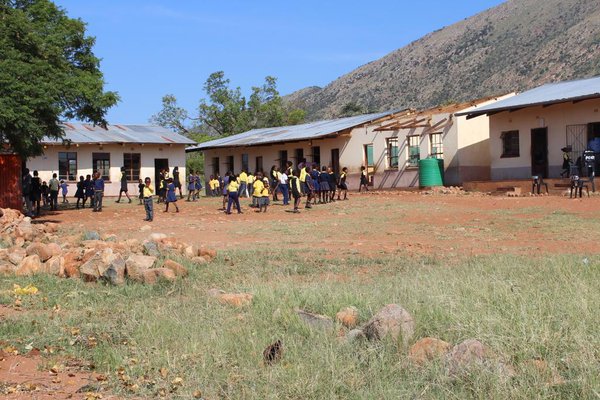
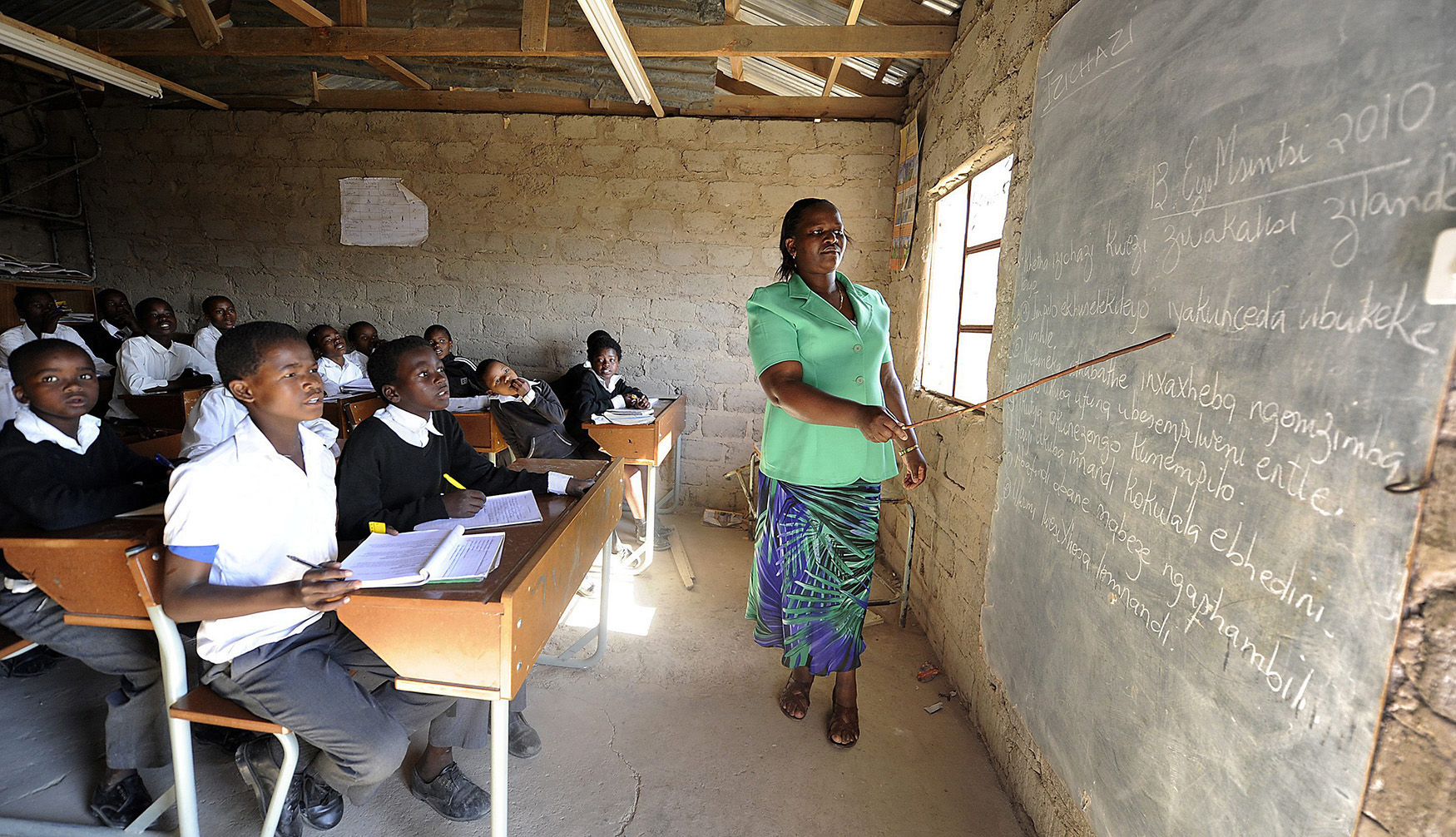
For decades, B-BBEE and ESG in South Africa have followed a predictable, albeit limited, pattern. Companies would “donate” to a school project, take a photograph for the annual report, and claim their B-BBEE points.
But as we approach 2026, a massive shift is occurring. The global rise of ESG (Environmental, Social, and Governance) criteria, combined with a local tightening of B-BBEE requirements, is ending the era of “passive philanthropy.” Schools are no longer just beneficiaries of charity; they are being repositioned as Strategic Investment Vehicles.
At Edu Empower SA, we are the architects of this transition. We believe that by 2026, a school’s value will be measured not by what it receives, but by its ability to function as a professional, audit-ready node in the national economy.
1. The Reality: Billions Spent, But Limited Structural Impact
South Africa already has significant capital allocated to social impact:
- R13.1 billion CSI spend annually
- Majority claimed under B-BBEE Socio-Economic Development (SED)
- Education receives one of the largest portions
Yet:
- Only a small percentage goes into infrastructure or systemic transformation
- Monitoring & evaluation receives just ~1% of CSI budgets
The Problem
Money is flowing — but impact is not compounding.
This is because:
- Funding is fragmented
- Schools are not investment-ready
- Impact is not measurable at scale
2. The Pressure: Why ESG & B-BBEE Are Evolving
A. Rising Corporate Accountability
Modern ESG frameworks now require:
- Measurable outcomes
- Real-time reporting
- Verified beneficiary impact
Companies are increasingly expected to prove:
“What changed?” — not just “What was spent?”
B. South Africa’s Economic Reality
- Unemployment: ~32.9%
- Youth unemployment: 46%+
- 34% of youth are NEET (not in employment, education, or training)
Implication
ESG and B-BBEE can no longer operate as isolated compliance functions.
They must directly address:
- Employment
- Skills development
- Economic inclusion
3. Why Schools Are the Most Undervalued ESG Asset
Every public school in South Africa represents:
- 300 – 1500+ learners
- Thousands of connected family members
- A central, trusted community hub
Yet today, schools are treated as:
- Funding recipients
- Passive beneficiaries
In reality, schools are:
High-impact, scalable social infrastructure assets
They sit at the intersection of:
- Education
- Community
- Youth development
- Economic participation
4. The 2026 Shift: Schools as Strategic Investment Vehicles
By 2026, leading corporates will shift toward:
a. Structured Investment Models
Not once-off donations, but:
- Multi-year funding pipelines
- Outcome-based investment frameworks
b. Verified Impact Ecosystems
Every investment tied to:
- Number of learners impacted
- Infrastructure delivered
- Employment created
c. Integrated B-BBEE + ESG Strategy
Instead of fragmented initiatives:
- SED
- Enterprise Development
- Skills Development
All converge into school-based ecosystems
5. How Schools Deliver Measurable ROI for Corporates
1. SED (Socio-Economic Development)
Schools provide:
- Verified beneficiaries
- Direct community reach
- Scalable impact reporting
2. Skills Development
Through school-linked programs:
- Digital literacy
- Career exposure
- Youth training pipelines
3. Enterprise & Supplier Development
Schools connect corporates to:
- Local SMEs
- Township economies
- Emerging suppliers
4. Brand Visibility & Trust
Unlike traditional advertising:
Schools offer high-trust, high-frequency engagement environments
6. The Missing Piece: Why This Has Not Scaled Yet
Despite the opportunity, most corporates struggle because:
1. Schools Are Not Investment-Ready
- Lack structured profiles
- No compliance frameworks
- Limited reporting capability
2. No Centralised Infrastructure
- Each school operates in isolation
- No aggregation of impact
3. No Real-Time Measurement
- Impact reporting is manual and delayed
- Difficult to justify ROI internally
7. The Solution: Infrastructure That Connects Everything
This is where models like Edu Empower SA become critical.
Edu Empower Enables:
1. Investment-Ready Schools
- Verified data
- Compliance alignment
- Structured profiles
2. Measurable Impact
- Real-time reporting
- Beneficiary tracking
- Outcome-based metrics
3. Integrated Economic Activation
- Youth employment within schools
- Local business participation
- Digital ecosystem activation
4. ESG + B-BBEE Alignment
- SED
- Skills development
- Enterprise development
All delivered through one platform
8. Case for 2026: What Leading Corporates Will Do Differently
Forward-thinking organisations will:
✔ Move From Scatter Funding → Aggregated Investment
Funding 1 school → Funding 50–100 schools in structured networks
✔ Move From Reporting → Real-Time Dashboards
Tracking:
- Learners impacted
- Jobs created
- Infrastructure delivered
✔ Move From CSI → Strategic Impact Portfolios
Education becomes:
A core investment pillar, not a side initiative
9. The Strategic Advantage for Corporates
Companies that adopt this model early will gain:
1. Stronger B-BBEE Scorecard Outcomes
- Efficient SED spend
- Verifiable impact
2. ESG Leadership Positioning
- Transparent reporting
- Measurable social returns
3. Market Trust & Brand Equity
- Community integration
- Purpose-driven visibility
4. Long-Term Economic Impact
- Workforce development
- Consumer market growth
10. Final Insight: Education Is No Longer Charity — It Is Infrastructure
The future of B-BBEE and ESG is not about:
- Donations
- Compliance
- Tick-box exercises
It is about building systems that deliver measurable, scalable impact.
And schools are the most powerful system we have.
The future of South Africa will not be built in boardrooms alone — it will be built in classrooms, in communities, and in the systems we choose to invest in today.
When we start seeing schools not as recipients of aid, but as engines of possibility, everything changes.
Every rand becomes more than spend —
it becomes momentum, dignity, opportunity, and growth.
This is the moment to move beyond compliance… and step into legacy.
And at Edu Empower SA, we are not just part of that future — we are building the system that makes it possible.