The Case for Hybrid Public-Private Education Infrastructure Models. South Africa Doesn’t Have an Education Problem.
It Has a Delivery Challenge.
Every South African agrees on one thing: every child deserves a safe, dignified and inspiring place to learn.
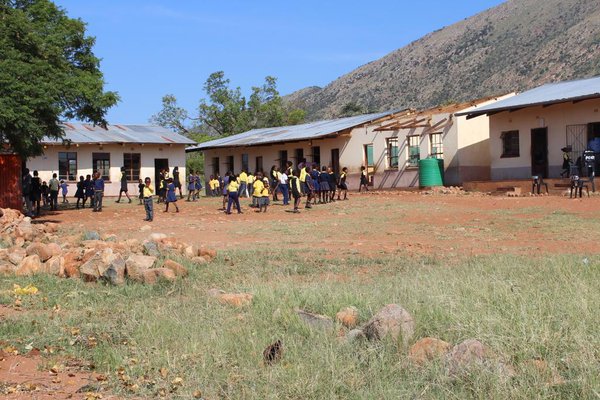
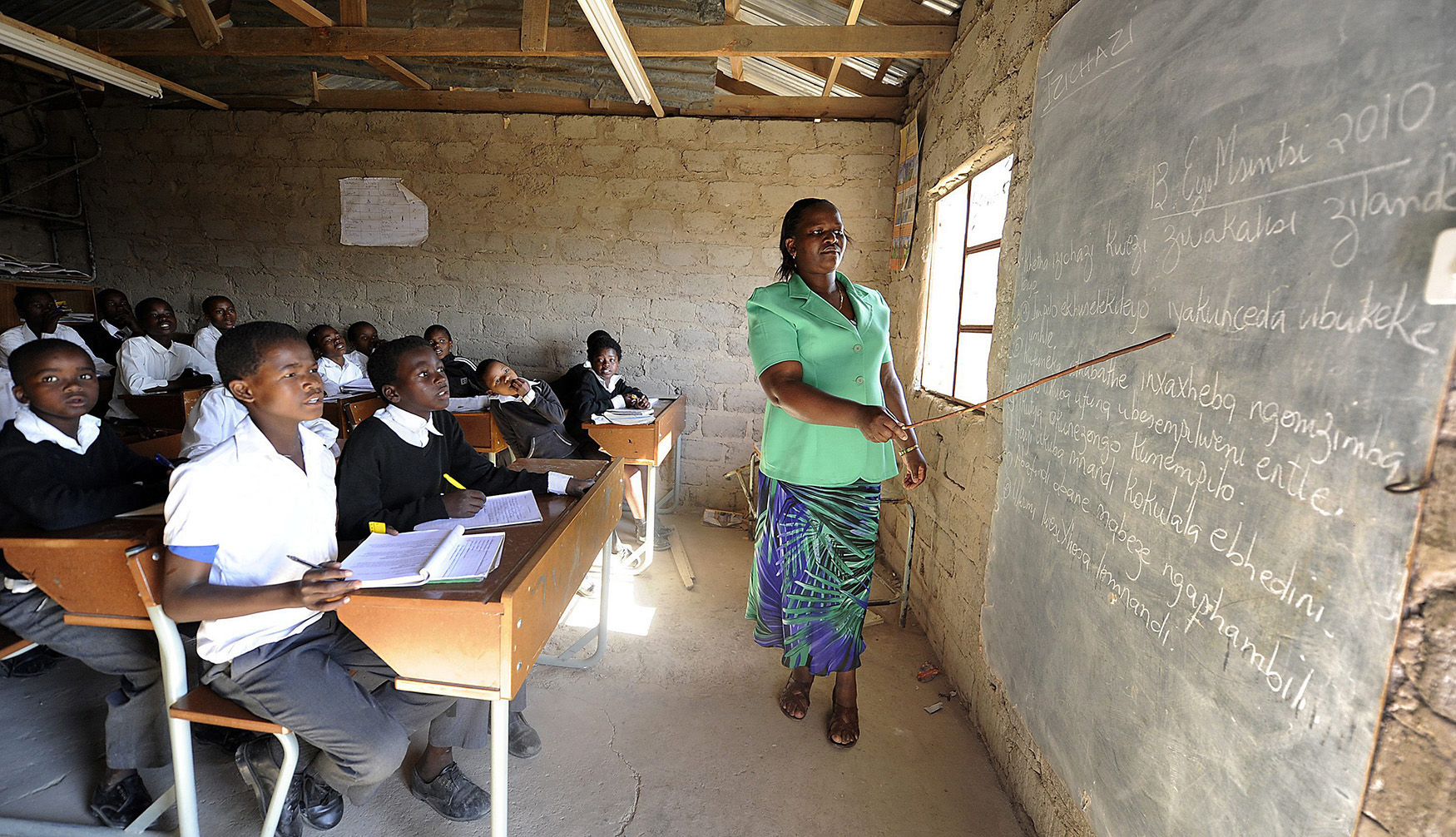
Yet decades after democracy, thousands of schools continue to face infrastructure challenges ranging from overcrowded classrooms and ageing facilities to inadequate sanitation, insufficient learning spaces and limited digital infrastructure. Despite substantial progress since 1994, the scale of the need continues to outpace available public resources. The Department of Basic Education recently estimated that addressing the country’s remaining school infrastructure backlog would require approximately R129 billion. (South African Government)
This raises an important question:
Can government alone realistically solve a challenge of this magnitude?
The answer is not a criticism of government—it is an acknowledgement of reality.
Government Cannot Carry the Burden Alone
Education is, and should remain, a public responsibility.
Government builds schools, pays educators, develops curricula, establishes policy and funds the largest education system in the country. Through programmes such as the Accelerated School Infrastructure Delivery Initiative (ASIDI), significant progress has been made in replacing unsafe schools and improving access to water, sanitation and electricity. (Department of Basic Education)
However, infrastructure delivery competes with many other national priorities, including healthcare, housing, policing, transport, social protection and energy.
Every budget requires difficult trade-offs.
At the same time:
- Communities continue to grow.
- School enrolments continue to increase.
- Infrastructure ages.
- Technology expectations evolve.
- Maintenance needs never stop.
This means the challenge is no longer simply building new schools—it is sustaining, modernising and continuously improving thousands of existing ones.
No government, regardless of political leadership, can solve this challenge alone.
Around the World, Collaboration Is Becoming the New Model
Many countries are moving beyond the traditional view that education infrastructure should be funded exclusively through the public purse.
Instead, they are embracing hybrid public-private models that bring together governments, businesses, philanthropies, foundations, universities and civil society to solve shared challenges.
These partnerships do not replace government. They strengthen government’s ability to deliver.
Around the world, collaboration has helped finance school buildings, improve digital connectivity, introduce STEM laboratories, modernise libraries, provide teacher development and expand access to technology.
The common lesson is clear:
The most resilient education systems are built through partnership, not isolation.
Infrastructure Is More Than Buildings
When people hear the phrase school infrastructure, they often picture classrooms, roofs and toilets.
Those are essential.
But modern education infrastructure has expanded far beyond bricks and mortar.
Today’s schools also require:
- Reliable digital connectivity
- Accurate institutional data
- Community engagement
- Strong governance
- Access to development partners
- Visibility to potential investors
- Technology platforms
- Sustainable funding pathways
- Ongoing maintenance and monitoring
In today’s world, digital infrastructure is educational infrastructure.
A school that cannot be discovered, assessed or connected to opportunities is invisible to many of the organisations capable of supporting it.
The Missing Layer: Connection
One of the biggest challenges in South African education is not simply funding.
It is connection. Thousands of organisations want to contribute to education. Corporates have CSI budgets. Foundations have grant programmes. Government has strategic priorities. Universities run outreach initiatives. Businesses want meaningful community engagement. Yet schools often struggle to connect with these opportunities because there is no unified, structured platform that makes schools visible, investment-ready and easy to engage with.
This is where Edu Empower SA’s hybrid infrastructure becomes transformational.
Instead of asking:
“Who will build another classroom?”
We begin asking: “How do we build an ecosystem that continuously connects schools to opportunities?”
The Evolution of Public-Private Partnerships
The next generation of public-private partnerships is not simply about one company funding one building.
It is about building systems that make collaboration easier, more transparent and more measurable.
Imagine a South Africa where every participating school has:
- A verified digital profile
- A clear needs assessment
- A development dashboard
- Geographic visibility
- Governance information
- Community engagement tools
- Access to development opportunities
- Visibility to responsible corporate partners
Now imagine corporates being able to identify schools based on province, community, learner numbers, development priorities or STEM needs—and track the outcomes of their investment over time.
That is a different model of partnership. It moves from reactive giving to strategic investment, hence Edu Empower SA’s vision, which is to build South Africa’s largest education opportunity ecosystem-connecting schools, communities, learners, corporates, government, youth, advertisers, and development partners through a single, trusted national platform.
Why This Matters to Business
Corporate investment in education is no longer measured only by how much is spent.
Increasingly, organisations are expected to demonstrate:
- measurable outcomes,
- transparency,
- community impact,
- alignment with ESG and B-BBEE objectives, and
- long-term sustainability.
Businesses are looking for credible platforms that help them invest with confidence while strengthening both social impact and business value. Hybrid infrastructure models provide that bridge by connecting investment with verified needs and measurable outcomes.
A New Way of Thinking About School Development
Perhaps the most important shift is philosophical. For decades, education has often been viewed as a sector waiting for funding. The future requires us to see schools differently. Schools are community anchors. They are centres of learning. They are places where future entrepreneurs, engineers, teachers, artists and scientists begin their journeys. Investing in schools is not charity. It is investing in South Africa’s future workforce, future economy and future society.
Building an Ecosystem, Not Just Projects
The future of education infrastructure is unlikely to be built through isolated projects alone.
It will be built through connected ecosystems where government provides leadership, communities participate actively, businesses invest strategically, development partners collaborate effectively and technology enables visibility, accountability and long-term sustainability.
That is the evolution of public-private partnership. Not replacing government. Not privatising education.
But creating stronger systems where every stakeholder contributes according to their strengths.
Because the real question is no longer whether South Africa can afford collaboration.
It is whether we can afford to continue working in silos.
About Edu Empower SA
Edu Empower SA is building South Africa’s School Development Ecosystem by creating the digital infrastructure that connects schools, ECD centres, communities, businesses, government and development partners through visibility, data, engagement and sustainable development opportunities. Our vision is to ensure that every school—regardless of location or socioeconomic status—can be discovered, supported and connected to opportunities that help it thrive.